When depression doesn't respond to medication or talk therapy, it can feel like you've run out of options. You may have tried several antidepressants, adjusted doses, and stayed committed to counseling, yet the symptoms linger. If this sounds familiar, you are not alone, and there is another path worth exploring.
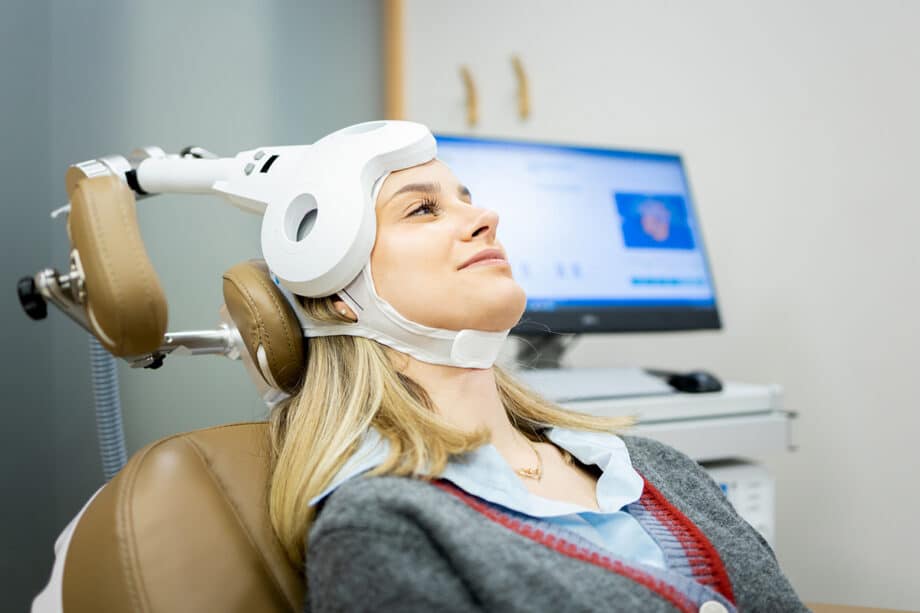
Transcranial magnetic stimulation, often called TMS, is a non-invasive treatment that uses gentle magnetic pulses to stimulate areas of the brain linked to mood regulation. It offers hope for people who have struggled to find relief through traditional approaches. In this article, we'll walk you through who tends to benefit most from TMS, what makes someone a strong candidate, and what to consider before beginning treatment. Our goal is to help you understand whether this option might be right for you.
People With Treatment-Resistant Depression
The most common candidates for TMS are people living with treatment-resistant depression. This term describes major depressive disorder that has not improved after trying one or more antidepressant medications at an adequate dose and duration. If you've cycled through different prescriptions without meaningful results, TMS may provide a fresh approach that works differently than medication.
Rather than introducing chemicals into your body, TMS targets the brain directly. It stimulates nerve cells in the prefrontal cortex, a region often underactive in people with depression. Because it doesn't rely on the same mechanisms as antidepressants, it can succeed where medication has fallen short. Many patients who felt discouraged by past treatments find renewed hope through Transcranial Magnetic Stimulation, which offers a well-tolerated alternative backed by clinical research.
Those Who Want to Avoid Medication Side Effects
Antidepressants help many people, but they can also bring side effects that are difficult to manage. Weight changes, fatigue, sexual dysfunction, and emotional numbness lead some patients to stop treatment before it has a chance to work. If side effects have made medication hard to tolerate, you may be a good candidate for TMS.
One of the reasons TMS appeals to so many patients is its favorable side effect profile. The most common effects are mild scalp discomfort or a light headache during or after sessions, and these usually fade quickly. TMS does not require sedation, so you can drive yourself to and from appointments and return to your daily routine right away. For people seeking relief without systemic side effects, this makes TMS an attractive and practical choice.
Adults Who Meet Clinical Criteria for Safe Treatment
Being a good candidate also means TMS is safe for you. During your evaluation, we review your medical history carefully to confirm that treatment is appropriate. TMS is generally recommended for adults diagnosed with major depressive disorder, and increasingly for related conditions such as certain forms of anxiety and obsessive-compulsive disorder.
There are a few situations where TMS may not be suitable. Because the therapy uses magnetic fields, people with non-removable metal implants near the head, such as aneurysm clips or cochlear implants, are typically not candidates. A personal history of seizures or epilepsy also requires extra caution and careful screening. This is why a thorough psychiatric and medical assessment is essential before starting. We take the time to understand your full history so we can recommend the safest, most effective plan for your needs.
Taking the Next Step Toward Relief
TMS is not a one-size-fits-all solution, but for the right person, it can be life-changing. Strong candidates often share a common story: they have tried medication without lasting success, they want to avoid unwanted side effects, and they are ready to explore an evidence-based option that works differently. If that description resonates with you, a conversation with our team is the natural next step. We'll listen to your concerns, review your history, and help you decide whether TMS fits your goals. You deserve to feel like yourself again, and we would be glad to help you find the path that gets you there.
Frequently Asked Questions About Transcranial Magnetic Stimulation (TMS)
How do I know if I'm a good candidate for TMS?
You may be a good candidate if you have been diagnosed with major depressive disorder and have not found sufficient relief from antidepressant medication. Candidacy also depends on your medical history, since certain implants or a history of seizures can affect eligibility. The best way to know for certain is through a comprehensive evaluation, where we assess your symptoms, treatment history, and overall health to determine if TMS is right for you.
Does TMS hurt?
TMS is well tolerated by most patients and does not require anesthesia or sedation. During a session, you may feel a tapping sensation on your scalp along with the sound of the device. Some people notice mild discomfort or a light headache at first, but this usually eases as treatment continues and can often be managed easily.
How long does a course of TMS treatment take?
A typical course involves sessions five days a week over the span of four to six weeks, though your exact plan may vary. Each session generally lasts between 20 and 40 minutes, depending on the protocol used. Because there is no downtime afterward, you can return to work, school, or other daily activities immediately.
Can TMS be used alongside medication or therapy?
Yes. Many patients continue their medication or talk therapy while receiving TMS, and combining approaches can enhance overall results. During your evaluation, we'll review everything you're currently doing to manage your mental health and coordinate a plan that works together. Our goal is to support your progress from every angle.
Is TMS covered by insurance?
Many insurance plans cover TMS for treatment-resistant depression, though coverage requirements can vary by provider. Insurers often ask for documentation showing that you have tried other treatments first. Our team can help you understand your benefits and navigate the approval process, so cost is one less thing to worry about.
South County Psychiatry is one of Rhode Island's premier behavioral health practices, founded by Dr. Anthony Gallo and serving patients across Rhode Island, Massachusetts, Connecticut, and Vermont. We provide psychiatric evaluations, medication management, therapy, and advanced treatments like TMS to help you live a happier, healthier life. If you're ready to explore whether TMS is right for you, we invite you to request an appointment today.